Costa
Rica:
Is
This
The
First
Anti-Wikileaks
Law?
The
Costa
Rican
legislature
has
just
passed
Law
9048,
which
includes
reforms
to
the
country’s
Criminal
Code
to
create
new
cybercrime
offences.
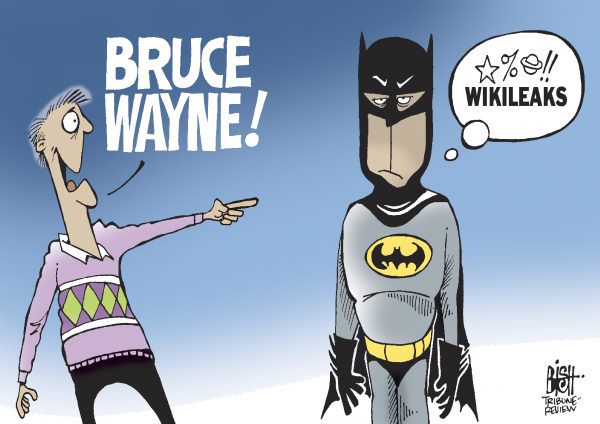
Some
of
these
bring
the
country
in
line
with
anti-hacking
provisions
present
in
international
standards
like
the
Convention
on
Cybercrime,
such
as
rules
against
illegal
access
and
interception
of
communications.
However,
the
most
controversial
part
of
the
law
is
that
it
modifies
the
existing
type
of
espionage
to
include
a
digital
element.
The
old
Criminal
Code
defined
Espionage
in
Art.
288
as
follows:
“Espionage.
[A
person]
Shall
be
punished
with
imprisonment
of
one
to
six
years,
if
they
improperly
procure
or
obtain
secret
political
information,
or
security
policies
concerning
the
means
of
defense
or
foreign
relations
of
the
State.”
The
new
law
has
modified
the
article
to
read:
“Espionage.
[A
person]
Shall
be
punished
with
imprisonment
of
one
to
six
years,
if
they
improperly
procure
or
obtain
secret
political
information,
security
policies
concerning
the
means
of
defense
or
foreign
relations
of
the
State,
or
affects
the
fight
against
drug
trafficking
or
organized
crime.
The
sentence
is
five
to
ten
years’
imprisonment
where
the
conduct
takes
place
through
computer
manipulation,
malicious
software
or
use
of
information
and
communication
technology.”
This
has
rightly
created
a
bit
of a
stink
with
the
local
press
and
blogosphere,
as
they
see
it
as a
possible
affront
to
freedom
of
the
press
and
freedom
of
speech.
However,
I
think
that
journalists
miss
the
real
point
behind
the
law,
this
is
evidently
an
attempt
to
criminalize
leaking
information
to
whistle-blowing
sites
like
Wikileaks.
The
law
in
its
present
form
was
discussed
and
approved
in a
legislative
commission
in
2010,
at
the
time
that
Wikileaks
was
front
page
news
across
the
world.
The
inclusion
of
this
reform
makes
no
other
sense
whatsoever,
as
it
enhances
existing
penalties
for
espionage
just
by
adding
the
digital
element.
There
is
no
other
justification
that
I
can
think
of
to
make
incarceration
for
leaking
political
information
through
electronic
means
almost
twice
as
harsh
as
“analogue”
leaking.
This
article
is a
worrying
development,
and
hopefully
it
will
be
either
struck
down
by
the
Constitutional
Court,
or
reformed
given
the
political
heat
that
it
is
receiving.
Interestingly,
another
element
of
the
law
has
passed
almost
unreported.
The
law
includes
the
following
provision
against
electronic
impersonation.
Art.
230
reads:
“Impersonation.
[A
person]
Shall
be
punished
with
imprisonment
of
three
to
six
years
if
they
impersonate
a
person
in
any
social
network,
website,
electronic
or
information
technology
medium.
The
same
penalty
shall
be
imposed
upon
persons
who,
using
a
false
or
in-existent
identity,
causes
damages
to a
third
party.”
This
would
come
to
criminalize
any
sort
of
unauthorized
impersonation
in
social
media.
Fabulous
mock
accounts
like
Queen_UK,
Chuck
Norris,
or
Nick
Nolte
are
outlawed
in
Costa
Rica.
Moreover,
the
wording
is
ambiguous
enough
to
suggest
that
if
someone
causes
any
damage
using
an
avatar,
pseudonym,
or
other
online
in-existent
identity,
that
person
will
be
subject
to
criminal
sanctions
as
well.
That
makes
this
fictional
llama
sad…
time
to
leave
the
country.
From
Technollama.co.uk



 facebook
 twitter


